

Men’s Health and Sexual Wellness

Supporting men’s vitality, performance, and well-being.

erectile dysfunction

Understanding Erectile Dysfunction Treatment

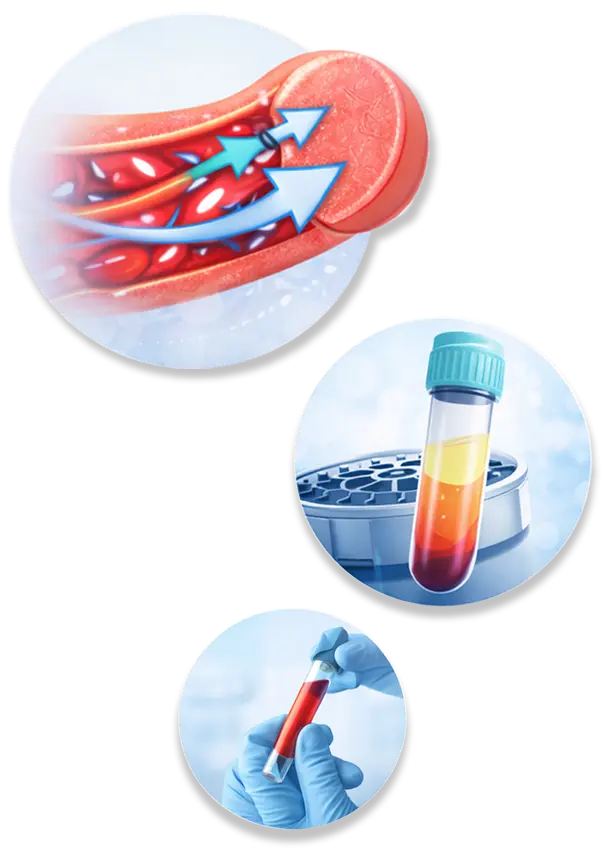
Understanding Erectile Dysfunction Treatment Erectile dysfunction (ED) is a common condition that affects many men, characterized by the inability to achieve or maintain an erection sufficient for sexual intercourse. Fortunately, there are several effective treatments available. Here’s a brief overview: What is Erectile Dysfunction (ED)? Erectile dysfunction occurs when a man has difficulty achieving or sustaining an erection. It can result from physical conditions like heart disease, diabetes, and hormonal imbalances, as well as psychological factors such as stress, anxiety, and depression. Table of Content Treatment Options for ED: Oral Medications: Phosphodiesterase type 5 (PDE5) Inhibitors: These include sildenafil (Viagra), tadalafil (Cialis), vardenafil (Levitra), and avanafil (Stendra). They improve blood flow to the penis and are effective for many men. Lifestyle Changes: Exercise: Regular physical activity can improve circulation and overall health. Diet: Eating a balanced diet can help manage underlying health conditions that contribute to ED. Smoking Cessation and Alcohol Reduction: Quitting smoking and reducing alcohol intake can improve ED symptoms. Psychological Counseling: Therapy can help address psychological factors contributing to ED, such as stress, anxiety, or depression. Counseling may be done individually or with a partner. Vacuum Erection Devices: A vacuum pump can create an erection by drawing blood into the penis, followed by a constriction ring to maintain the erection. Penile Injections and Urethral Suppositories: Medications like alprostadil can be injected directly into the penis or inserted as a pellet into the urethra to stimulate an erection. Hormone Therapy: For men with low testosterone levels, hormone replacement therapy may be prescribed to improve symptoms. Surgical Treatments: Penile implants and vascular surgery are options for men who do not respond to other treatments. These procedures are usually considered when other methods fail. Erectile dysfunction is a treatable condition with various effective options available, ranging from oral medications and lifestyle changes to counseling and surgical interventions. Men experiencing ED should consult a healthcare provider to determine the most appropriate treatment based on their individual health needs and underlying causes. Early intervention and a tailored approach can significantly improve quality of life and sexual health. Book Your Consultation Today! Considering Testosterone Cypionate or Enanthate? Take the first step toward better health and vitality with expert guidance from Hara Clinic. 📞 Call or Message: +63 917 177 4272💻 Book Online: Schedule Your Appointment

Understanding Erectile Dysfunction Treatment Read More »

Premature ejaculation

Understanding Premature Ejaculation Treatment

Understanding Premature Ejaculation Treatment Premature ejaculation (PE) is a common sexual dysfunction where ejaculation happens sooner than desired during sexual activity. This condition can affect men’s confidence and relationships, but several effective treatments are available. Here’s a brief overview: What is Premature Ejaculation (PE)? Premature ejaculation occurs when a man ejaculates within a minute or shortly after penetration, with minimal control. It can be lifelong (primary) or acquired (secondary) and is influenced by psychological and biological factors. Treatment Options for PE: Behavioral Techniques: Start-Stop Method: Involves stopping sexual stimulation before ejaculation, then resuming once the urge subsides. Squeeze Technique: Involves squeezing the penis head until the urge to ejaculate passes, then resuming sexual activity. Medications: Topical Anesthetics: Creams or sprays applied to the penis to reduce sensitivity and delay ejaculation. Oral Medications: Selective serotonin reuptake inhibitors (SSRIs) like paroxetine, sertraline, or dapoxetine can delay ejaculation. Tricyclic antidepressants like clomipramine may also be used. PDE5 Inhibitors: Medications like sildenafil (Viagra) can help with both PE and erectile dysfunction. Psychological Counseling: Therapy can help address underlying psychological issues such as anxiety, stress, or relationship problems. Cognitive-behavioral therapy (CBT) is particularly effective. Pelvic Floor Exercises: Strengthening the pelvic floor muscles through exercises like Kegels can help improve control over ejaculation. Couples Therapy: Involving a partner in therapy can improve communication, reduce performance pressure, and enhance sexual satisfaction. Table of Content Premature ejaculation is a treatable condition with a variety of effective options, including behavioral techniques, medications, psychological counseling, pelvic floor exercises, and couples therapy. Men experiencing PE should consult a healthcare provider to determine the most appropriate treatment based on their individual circumstances and needs. Early intervention and a comprehensive approach can significantly improve sexual health and quality of life. Book Your Consultation Today! Considering Testosterone Cypionate or Enanthate? Take the first step toward better health and vitality with expert guidance from Hara Clinic. 📞 Call or Message: +63 917 177 4272💻 Book Online: Schedule Your Appointment

Understanding Premature Ejaculation Treatment Read More »

Testosterone replacement therapy

Understanding Testosterone Replacement Therapy (TRT)

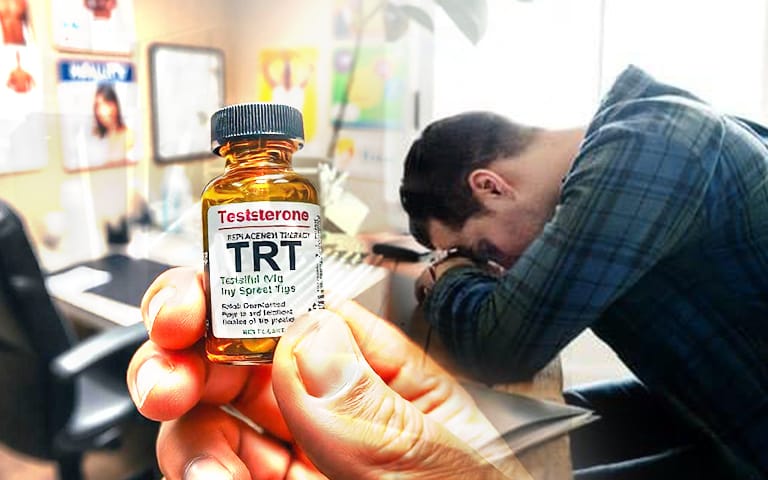
Understanding Testosterone Replacement Therapy (TRT) Testosterone Replacement Therapy (TRT) is a medical treatment used to address testosterone deficiency in individuals who do not produce enough of this hormone naturally. Here’s an overview of TRT, its benefits, considerations, and how it is administered: What is Testosterone Replacement Therapy? Testosterone is a vital hormone that plays a crucial role in male development, sexual function, muscle strength, bone density, and overall well-being. Testosterone replacement therapy involves supplementing or replacing testosterone in individuals with low levels of this hormone due to aging, injury, or medical conditions. How Does Testosterone Replacement Therapy Work? TRT can be administered through various methods, including: Injections: Typically administered every 2-4 weeks, providing a sustained release of testosterone. Topical Gels and Creams: Applied daily to the skin, allowing for steady absorption of testosterone. Patches: Worn on the skin and replaced daily, releasing testosterone directly into the bloodstream. Implants: Pellets inserted under the skin, releasing testosterone gradually over several months. The choice of method depends on factors such as patient preference, convenience, and healthcare provider recommendation. Benefits of Testosterone Replacement Therapy: Improved Sexual Function: Increases libido (sex drive) and may improve erectile function. Increased Muscle Mass and Strength: Helps maintain muscle mass and improve physical performance. Enhanced Mood and Well-being: Can alleviate symptoms of fatigue, irritability, and depression associated with low testosterone levels. Bone Health: Maintains bone density and reduces the risk of osteoporosis. Considerations and Risks: Monitoring: Regular monitoring by a healthcare provider is essential to adjust dosage and monitor for potential side effects. Potential Side Effects: These may include acne, fluid retention, increased risk of cardiovascular events (particularly in older men), and enlargement of the prostate. Individualized Treatment: TRT is tailored to each patient’s needs and health status, considering factors such as age, overall health, and the severity of testosterone deficiency. Testosterone Replacement Therapy (TRT) is a valuable treatment option for individuals with testosterone deficiency, providing significant improvements in quality of life, sexual function, muscle strength, and overall well-being. However, it should be prescribed and monitored by a qualified healthcare provider to ensure safety and effectiveness. If you suspect you have low testosterone levels, consult with a healthcare professional to discuss whether TRT is appropriate for you.

Understanding Testosterone Replacement Therapy (TRT) Read More »