Author name: Hara Clinic

Premature ejaculation

Understanding Premature Ejaculation Treatment

Understanding Premature Ejaculation Treatment Premature ejaculation (PE) is a common sexual dysfunction where ejaculation happens sooner than desired during sexual activity. This condition can affect men’s confidence and relationships, but several effective treatments are available. Here’s a brief overview: What is Premature Ejaculation (PE)? Premature ejaculation occurs when a man ejaculates within a minute or shortly after penetration, with minimal control. It can be lifelong (primary) or acquired (secondary) and is influenced by psychological and biological factors. Treatment Options for PE: Behavioral Techniques: Start-Stop Method: Involves stopping sexual stimulation before ejaculation, then resuming once the urge subsides. Squeeze Technique: Involves squeezing the penis head until the urge to ejaculate passes, then resuming sexual activity. Medications: Topical Anesthetics: Creams or sprays applied to the penis to reduce sensitivity and delay ejaculation. Oral Medications: Selective serotonin reuptake inhibitors (SSRIs) like paroxetine, sertraline, or dapoxetine can delay ejaculation. Tricyclic antidepressants like clomipramine may also be used. PDE5 Inhibitors: Medications like sildenafil (Viagra) can help with both PE and erectile dysfunction. Psychological Counseling: Therapy can help address underlying psychological issues such as anxiety, stress, or relationship problems. Cognitive-behavioral therapy (CBT) is particularly effective. Pelvic Floor Exercises: Strengthening the pelvic floor muscles through exercises like Kegels can help improve control over ejaculation. Couples Therapy: Involving a partner in therapy can improve communication, reduce performance pressure, and enhance sexual satisfaction. Table of Content Premature ejaculation is a treatable condition with a variety of effective options, including behavioral techniques, medications, psychological counseling, pelvic floor exercises, and couples therapy. Men experiencing PE should consult a healthcare provider to determine the most appropriate treatment based on their individual circumstances and needs. Early intervention and a comprehensive approach can significantly improve sexual health and quality of life. Book Your Consultation Today! Considering Testosterone Cypionate or Enanthate? Take the first step toward better health and vitality with expert guidance from Hara Clinic. 📞 Call or Message: +63 917 177 4272💻 Book Online: Schedule Your Appointment

Understanding Premature Ejaculation Treatment Read More »

Perimenopause & Bioidentical Hormone Therapy

Perimenopause and Bioidentical Hormone Therapy

Perimenopause & Bioidentical Hormone Therapy: A Natural Approach to Thriving Through Change Perimenopause is a transition that every woman will go through, yet it often catches many by surprise. This phase, which typically begins in the late 30s to early 50s, marks the gradual shift toward menopause. Hormones start fluctuating, and with that comes a host of symptoms—irregular periods, hot flashes, mood swings, sleep disturbances, and even unexpected weight gain. While these changes are normal, they don’t have to disrupt your life. If you’re struggling with perimenopause symptoms, you’re not alone—and you don’t have to just “deal with it.” Bioidentical Hormone Therapy (BHRT) offers a natural and effective way to restore balance and help you feel like yourself again. Understanding Perimenopause If you’ve ever heard of ‘The Seven Dwarves of Menopause’—Itchy, Bitchy, Sweaty, Sleepy, Bloated, Forgetful, and Psycho—you know that perimenopause comes with a wide range of symptoms. While this humorous take captures the reality for many women, the truth is that these changes can be frustrating and disruptive. The good news? You don’t have to just suffer through them. Perimenopause isn’t menopause itself, but the lead-up to it. During this stage, estrogen and progesterone levels fluctuate, causing a rollercoaster of symptoms. Some women breeze through it, while others experience significant discomfort. Common signs of perimenopause include: Irregular menstrual cycles (heavier, lighter, or unpredictable periods) Hot flashes and night sweats Sleep disturbances and fatigue Mood swings, anxiety, or depression Brain fog and difficulty concentrating Decreased libido and vaginal dryness Weight gain and changes in body composition If any of these sound familiar, you’re not alone. Many women seek relief, but conventional hormone therapy can sometimes come with concerns about safety and side effects. That’s where bioidentical hormones come in. Table of Content What Are Testosterone Esters? Itchy – Skin suddenly feeling like sandpaper? Estrogen helps keep skin hydrated and elastic, so when levels dip, dryness and itching take over. Bitchy – If you find yourself snapping at loved ones (or strangers), you’re not alone. Hormonal fluctuations can make your mood swings wilder than a telenovela plot twist. Sweaty – Hot flashes and night sweats? That’s your body’s way of saying, “Welcome to the sauna!”—except you didn’t sign up for it. Sleepy – Insomnia and fatigue hit hard when hormone levels fluctuate, leaving you feeling like you pulled an all-nighter (even when you didn’t). Bloated – Your digestive system and hormones are in cahoots, leading to unpredictable bloating and weight shifts. Forgetful – Can’t remember why you walked into a room? Brain fog is real, and fluctuating estrogen levels might be to blame. Psycho – If your emotions are all over the place—laughing one minute, crying the next—it’s not just in your head. It’s in your hormones. What Are Bioidentical Hormones? identical to the hormones your body naturally produces. This makes them a safer and often better-tolerated alternative to synthetic hormones. Unlike traditional hormone replacement therapy (HRT), bioidentical hormone therapy (BHRT) is tailored to your individual needs, ensuring a more personalized and effective approach. Benefits of Bioidentical Hormone Therapy Many women find that BHRT helps them regain their quality of life. Some key benefits include: Hormonal balance: Helps stabilize estrogen, progesterone, and testosterone levels Reduced symptoms: Relief from hot flashes, mood swings, sleep issues, and brain fog Improved energy and metabolism: Helps combat weight gain and sluggishness Better mood and mental clarity: Supports emotional well-being and cognitive function Enhanced libido and sexual health: Addresses vaginal dryness and low libido Stronger bones and heart health: Helps protect against osteoporosis and cardiovascular issues Is Bioidentical Hormone Therapy Right for You? BHRT isn’t a one-size-fits-all solution. It’s important to work with a knowledgeable provider who can assess your symptoms, run the necessary tests, and customize your treatment. Factors like lifestyle, stress levels, and overall health play a role in determining the right approach. At our clinic, we take a holistic approach—combining bioidentical hormones with lifestyle modifications, nutrition, and stress management to help you navigate perimenopause smoothly. Whether you’re just starting to notice changes or have been struggling for years, there are options to help you feel your best. Embracing the Transition Perimenopause is a natural phase of life, but it doesn’t have to mean suffering through symptoms. With the right support, you can embrace this transition with confidence and vitality. If you’re curious about how bioidentical hormone therapy could help you, reach out to our clinic—we’re here to guide you every step of the way. Let’s make this next chapter one of strength, balance, and renewed energy! Visit HARA Clinic for your holistic health needs. Book Your Consultation Today! Take the first step toward better health and vitality with expert guidance from Hara Clinic. 📞 Call or Message: +63 917 177 4272💻 Book Online: Schedule Your Appointment

Perimenopause and Bioidentical Hormone Therapy Read More »

Testosterone Cypionate and enanthate

What’s the Difference Between Testosterone Cypionate and Enanthate?

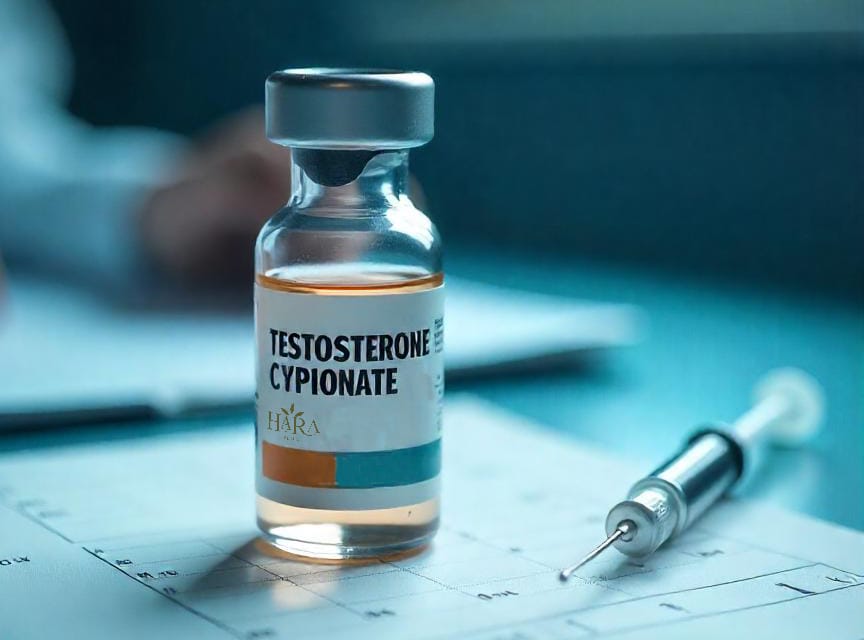
What’s the Difference Between Testosterone Cypionate and Enanthate? Testosterone replacement therapy (TRT) has become an essential treatment for men experiencing low testosterone (Low T) levels. Among the various options available, Testosterone Cypionate and Testosterone Enanthate are the most commonly prescribed esters. While both serve the same purpose—restoring optimal testosterone levels—they have subtle differences that can impact effectiveness, dosing frequency, and individual response. If you’re considering TRT, understanding the differences between Testosterone Cypionate vs. Enanthate will help you make an informed decision. This article breaks down everything you need to know to optimize your treatment. What is Testosterone Replacement Therapy (TRT)? Testosterone Replacement Therapy (TRT) is designed to restore normal testosterone levels in individuals suffering from testosterone deficiency. Symptoms of low testosterone include: Low energy & fatigue Reduced libido & erectile dysfunction Loss of muscle mass & increased body fat Mood swings, depression & brain fog To combat these symptoms, doctors prescribe injectable testosterone in different forms. Testosterone Cypionate and Testosterone Enanthate are two of the most common and effective options. Table of Content What Are Testosterone Esters? Testosterone esters refer to testosterone molecules attached to fatty acid chains, which affect how the hormone is absorbed and released into the bloodstream. The primary difference between Cypionate and Enanthate is their half-life and release pattern, which impacts dosing frequency and stability. Testosterone Cypionate vs. Testosterone Enanthate: A Detailed Comparison Feature Testosterone Cypionate Testosterone Enanthate Chemical Structure Longer ester chain Slightly shorter ester chain Half-Life ~8-12 days ~7-10 days Dosage Frequency Every 7-10 days Every 5-7 days Onset of Effects Gradual release, stable levels Slightly faster absorption Commonly Used In United States, Canada Europe, Asia Testosterone Stability Fewer fluctuations in levels May require more frequent dosing Best For Patients preferring less frequent injections Those needing a steady, predictable dose Testosterone Cypionate: A Closer Look Testosterone Cypionate is one of the most commonly prescribed TRT esters, especially in the United States. Its longer half-life allows for fewer injections, making it convenient for those who prefer weekly or biweekly dosing. Benefits of Testosterone Cypionate: Longer half-life: Requires fewer injections compared to other esters. Stable testosterone levels: Less fluctuation, reducing mood swings. Preferred in the U.S. & Canada: Widely available and well-researched. Downsides: Slower onset: It takes longer to build up in the system compared to Enanthate. Oil-based injection: Some users report mild post-injection soreness. Testosterone Enanthate: A Closer Look Testosterone Enanthate is widely used in Europe and Asia, offering a similar but slightly shorter half-life than Cypionate. This means it requires more frequent injections (usually every 5-7 days), but it provides a steady and predictable release. Benefits of Testosterone Enanthate: Faster absorption: Levels increase slightly quicker than Cypionate. Good for stable dosing: Ideal for individuals who don’t mind more frequent injections. Widely used worldwide: Available in many countries outside the U.S. Downsides: More frequent dosing: Usually injected 1-2 times per week. Potential for mild fluctuations: Some users report a small “crash” between doses. Which One is Right for You? Choosing between Testosterone Cypionate vs. Enanthate depends on: Lifestyle Preferences: If you prefer fewer injections, Cypionate is ideal. If you want a steady and predictable release, Enanthate may work better. Doctor’s Recommendation: Availability and prescribing habits vary by region. Personal Response: Some patients feel better on one ester than the other due to individual metabolism. At Hara Clinic, our specialists provide personalized TRT plans based on your health, lifestyle, and treatment goals. Side Effects of Testosterone Therapy Both Testosterone Cypionate and Enanthate share similar side effects, including: Acne & Oily Skin – Due to increased sebum production. Hair Loss – If genetically predisposed to male pattern baldness. Water Retention – Mild bloating or puffiness in some individuals. Mood Swings – Can occur due to hormonal fluctuations. Regular blood tests and monitoring help manage and minimize these side effects. TRT at Hara Clinic: Why Choose Us? At Hara Clinic, we take a personalized approach to testosterone replacement therapy to ensure safety, effectiveness, and long-term success. Comprehensive Blood Testing – We assess your full hormone profile before starting TRT. Customized Treatment Plans – Tailored to your specific needs. Medical Supervision – Ongoing support from licensed professionals. Confidential & Safe Environment – Your privacy is our top priority. Book Your Consultation Today! Considering Testosterone Cypionate or Enanthate? Take the first step toward better health and vitality with expert guidance from Hara Clinic. 📞 Call or Message: +63 917 177 4272💻 Book Online: Schedule Your Appointment

What’s the Difference Between Testosterone Cypionate and Enanthate? Read More »

Hair loss

Understanding Hair Loss Treatment

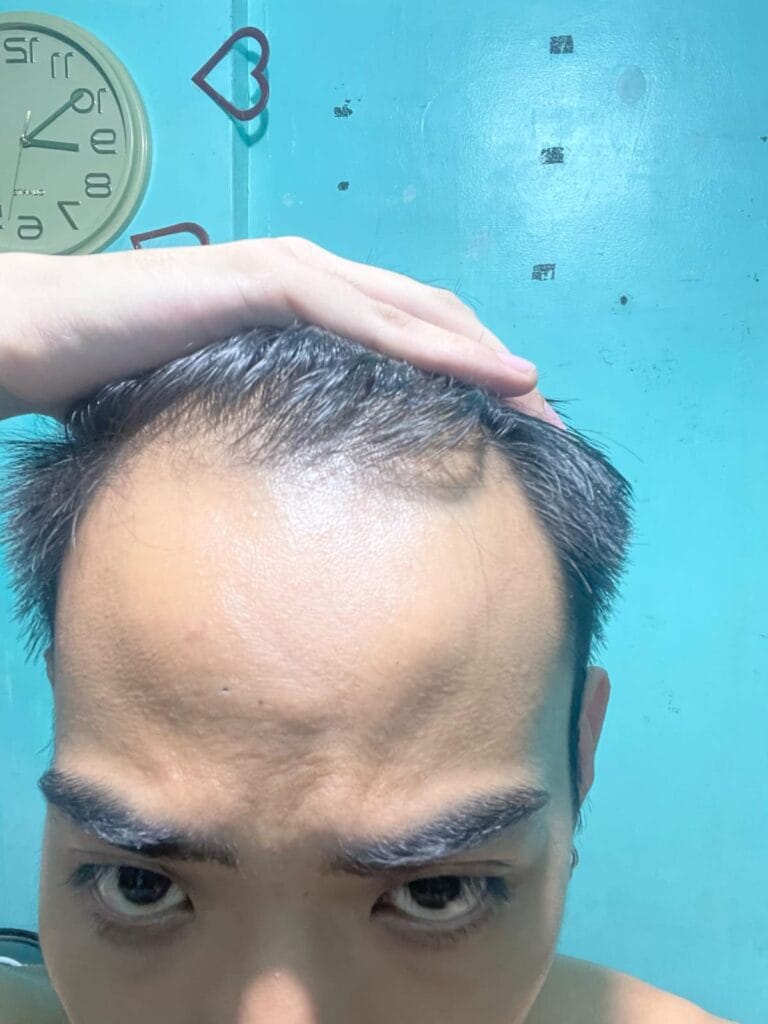
Understanding Hair Loss Treatment Hair loss, or alopecia, is a common condition that affects both men and women. It can be caused by genetics, hormonal changes, medical conditions, or aging. Various treatments are available to manage and potentially reverse hair loss. Here’s a brief overview: Types of Hair Loss Androgenetic Alopecia: The most common form, also known as male or female pattern baldness. Alopecia Areata: An autoimmune disorder causing patchy hair loss. Telogen Effluvium: Temporary hair thinning due to stress, illness, or medication. Traction Alopecia: Hair loss caused by tight hairstyles. Treatment Options for Hair Loss Medications Minoxidil (Rogaine): An over-the-counter topical treatment that stimulates hair growth. It’s applied directly to the scalp and is effective for both men and women. Finasteride (Propecia): A prescription oral medication for men that reduces hair loss by inhibiting the hormone DHT (dihydrotestosterone). Hair Transplant Surgery Follicular Unit Transplantation (FUT): Involves taking a strip of skin with hair from the back of the scalp and transplanting it to balding areas.Follicular Unit Extraction (FUE): Involves removing individual hair follicles from the scalp and transplanting them to balding areas. (dihydrotestosterone). Low-Level Laser Therapy (LLLT) A non-invasive treatment that uses laser light to stimulate hair follicles and promote hair growth. Platelet-Rich Plasma (PRP) Therapy Involves injecting platelet-rich plasma from the patient’s blood into the scalp to stimulate hair growth. Scalp Micropigmentation A cosmetic procedure that involves tattooing tiny dots on the scalp to create the appearance of fuller hair. Lifestyle and Home Remedies Healthy Diet: Eating a balanced diet rich in vitamins and minerals can support hair health. Stress Management: Reducing stress through activities like yoga, meditation, and exercise can help prevent hair loss related to stress. Hair loss can be distressing, but various effective treatments are available, ranging from medications and surgical options to non-invasive therapies and lifestyle changes. If you’re experiencing hair loss, consult a healthcare provider or dermatologist to determine the most appropriate treatment based on the underlying cause and your individual needs. Early intervention can improve outcomes and help maintain healthy hair.

Understanding Hair Loss Treatment Read More »

Doctor Giving O Shot

Orgasm Shot (o-Shot)

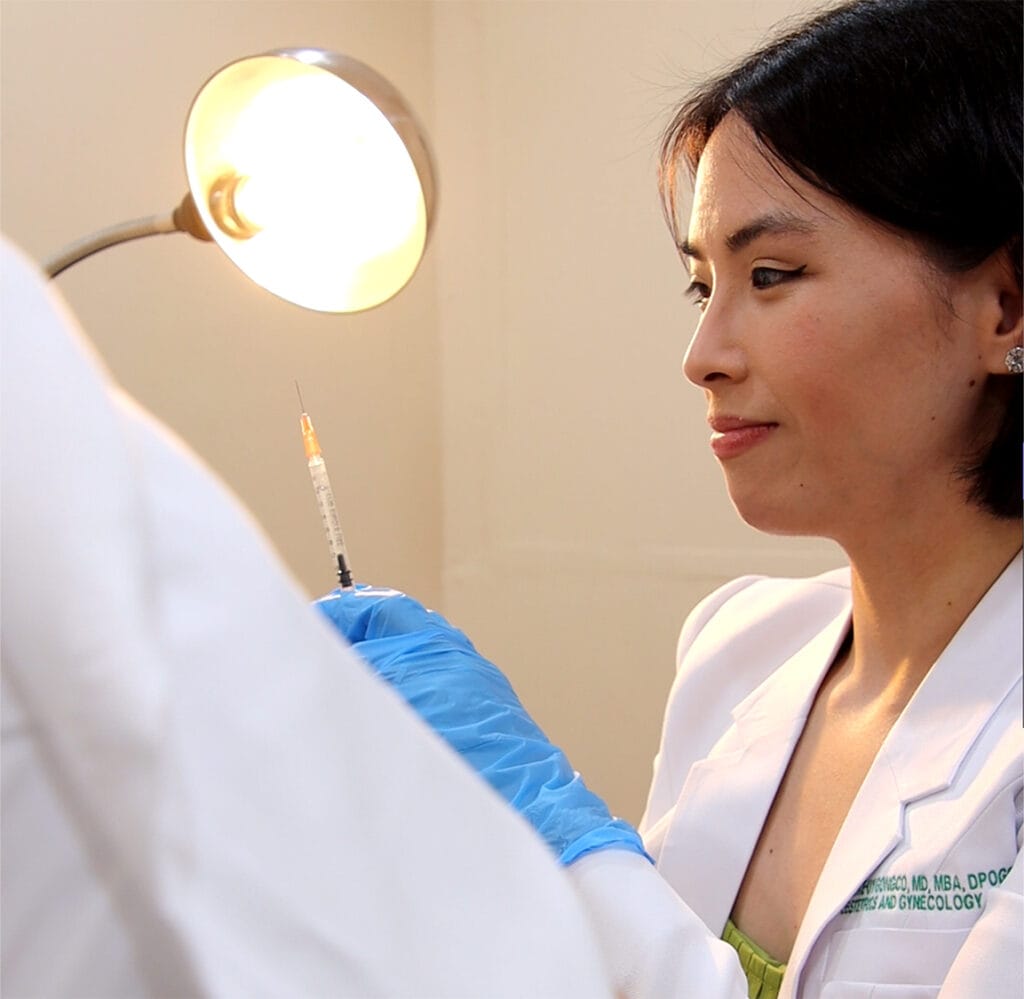
Rediscover Your Confidence with the O-Shot Let’s dive into something life-changing: the O-Shot, also known as the Orgasm Shot. Designed to rejuvenate your intimate wellness, the O-Shot is a revolutionary, non-surgical procedure that’s got everyone talking—and for good reason! Whether you’re looking to spice things up or address issues like dryness or discomfort, this treatment has something for everyone. What Is the O-Shot? The O-Shot is a minimally invasive procedure that uses platelet-rich plasma (PRP) derived from your own blood to stimulate tissue repair, collagen production, and enhanced sensitivity in intimate areas. Think of it as a confidence boost, but for your sexual health! The O-Shot Procedure Here’s how it works—it’s quick, simple, and relatively painless: 1. Consultation Your journey starts with a chat about your goals and concerns to determine if the O-Shot is right for you. 2. PRP Preparation A small sample of your blood is drawn, and the platelet-rich plasma is isolated using advanced medical technology. 3. Application The PRP is injected into targeted areas of your vaginal tissue using a fine needle. This helps rejuvenate and regenerate cells, enhancing sensitivity and natural lubrication. 4. Post-Care You’re free to go about your day immediately after! Results typically start to show within weeks and improve over time. 1. 1. Consultation Your journey starts with a chat about your goals and concerns to determine if the O-Shot is right for you. 2. 2. PRP Preparation A small sample of your blood is drawn, and the platelet-rich plasma is isolated using advanced medical technology. 3. 3. Application The PRP is injected into targeted areas of your vaginal tissue using a fine needle. This helps rejuvenate and regenerate cells, enhancing sensitivity and natural lubrication. 4. 4. Post-Care You’re free to go about your day immediately after! Results typically start to show within weeks and improve over time. Who Are the Ideal Candidates for the O-Shot? The O-Shot can benefit a wide range of women. You may be an ideal candidate if: You experience vaginal dryness or discomfort during intimacy. You struggle with low libido or want to enhance your sexual pleasure. You have trouble achieving orgasms or want more intense ones. You deal with urinary incontinence and want to regain control. You want to address age-related or postpartum changes. If you’re pregnant, breastfeeding, or have certain medical conditions, the O-Shot may not be suitable. Your provider will guide you on the best options for your health. Risks and Safety The O-Shot is generally safe and well-tolerated because it uses your body’s own PRP, minimizing the risk of allergic reactions or complications. However, as with any medical procedure, there are some potential side effects, including: Mild redness or swelling at the injection site. Temporary discomfort or spotting. These side effects are typically short-lived, and our team at Hara Clinic ensures the procedure is performed in a sterile, professional environment to maximize safety. Advantages and Benefits of the O-Shot The O-Shot offers a wide range of physical, emotional, and relationship benefits: Enhanced Sensitivity: Improved sensation for heightened pleasure and intimacy. Improved Orgasms: Easier and more intense orgasms that can elevate your confidence. Increased Natural Lubrication: Say goodbye to discomfort caused by dryness. Better Bladder Control: Relief from urinary incontinence, giving you greater freedom. Quick Recovery: No downtime required—resume your routine right after! Natural and Non-Surgical: Uses your body’s own PRP, eliminating the need for chemicals or invasive surgery. Why Choose the O-Shot in Manila at Hara Clinic? Why Choose the O-Shot in Manila at Hara Clinic? At Hara Clinic, we’re not just about treatments—we’re about empowering you to feel your best. Our team is experienced, compassionate, and dedicated to providing personalized care in a safe, judgment-free environment. Plus, our state-of-the-art technology ensures that you get the best results possible. The O-Shot isn’t just about improving sexual health—it’s about giving you the confidence and joy you deserve. Whether you’re dealing with discomfort or just want to enhance your intimacy, this treatment is a game-changer. Take the first step toward a more confident, vibrant you with the O-Shot in Manila at Hara Clinic. You’re worth it!

Orgasm Shot (o-Shot) Read More »

Revitalize Your Intimate Health with the P-Shot

Revitalize Your Intimate Health with the P-Shot Gentlemen, let’s have a candid chat about something that often stays in the shadows sexual wellness. If you’ve been experiencing challenges like erectile dysfunction or simply want to enhance your intimate experiences, the P-Shot might be the game-changer you’re looking for. What is the P-Shot? What is the P-Shot? The P-Shot, short for Priapus Shot, is a non-surgical, minimally invasive procedure that has been reported to support natural healing, increase firmness, and potentially enhance size over time. It is a safe and innovative approach for men looking for a natural boost in their sexual health. The P-Shot Procedure Here’s a straightforward breakdown of what to expect: 1. Consultation Discuss your concerns and goals with a qualified healthcare provider to determine if the P-Shot is right for you. 2. Blood Draw A small amount of your blood is drawm, similar to a routine blood test. 3. PRP Preparation The blood sample is placed in centrifuge to separate the platelet-rich plasma. 4. Numbing A local anesthetic is applied to the genital area to ensure comfort during the procedure. 5. Injection The PRP is carefully injected into specific areas of the penis to promote tissue regeneration and enhanced fuction. The entire process typically takes about 30 minutes, and most men can resume normal activities immediately afterward. The P-Shot Procedure Here’s a straightforward breakdown of what to expect: 1. Consultation Discuss your concerns and goals with a qualified healthcare provider to determine if the P-Shot is right for you. 2. Blood Draw A small amount of your blood is drawm, similar to a routine blood test. 3. PRP Preparation The blood sample is placed in centrifuge to separate the platelet-rich plasma. 4. Numbing A local anesthetic is applied to the genital area to ensure comfort during the procedure. 5. Injection The PRP is carefully injected into specific areas of the penis to promote tissue regeneration and enhanced fuction. The entire process typically takes about 30 minutes, and most men can resume normal activities immediately afterward. Benefits of the P-Shot: Enhances erectile function and firmness Supports natural tissue regeneration Improves blood circulation for better performance Increases sensitivity and pleasure Potential improvement in length and girth over time Non-surgical, with minimal downtime Risks and Safety The P-Shot is a safe and minimally invasive procedure since it uses your body’s own PRP, eliminating the risk of allergic reactions. Some mild side effects may include: Temporary swelling or redness at the injection site. Minimal discomfort, which resolves within a day. Performed by skilled professionals at Hara Clinic, the procedure is conducted in a sterile and comfortable environment, ensuring the highest safety standards. The P-Shot isn’t just about addressing physical concerns—it’s about regaining confidence, intimacy, and vitality. Whether you’re dealing with erectile dysfunction or simply want to enhance your performance, this treatment offers a safe and effective solution. At Hara Clinic in Manila, we’re here to help you take control of your sexual health in a supportive and discreet setting. Don’t wait—take the step toward a more confident, vibrant you today. Your journey to wellness starts here. Book your P-Shot appointment at Hara Clinic PH now! BOOK NOW Previous PostNext Post

Revitalize Your Intimate Health with the P-Shot Read More »

Testosterone replacement therapy

Understanding Testosterone Replacement Therapy (TRT)

Understanding Testosterone Replacement Therapy (TRT) What is Testosterone Replacement Therapy? Testosterone Replacement Therapy (TRT) is a medical treatment used to address testosterone deficiency in individuals who do not produce enough of this hormone naturally. Here’s an overview of TRT, its benefits, considerations, and how it is administered: How Does Testosterone Replacement Therapy Work? TRT can be administered through various methods, including: Injections: Typically administered every 2-4 weeks, providing a sustained release of testosterone. Topical Gels and Creams: Applied daily to the skin, allowing for steady absorption of testosterone. Patches: Worn on the skin and replaced daily, releasing testosterone directly into the bloodstream. Implants: Pellets inserted under the skin, releasing testosterone gradually over several months. The choice of method depends on factors such as patient preference, convenience, and healthcare provider recommendation. Benefits of Testosterone Replacement Therapy: Improved Sexual Function: Increases libido (sex drive) and may improve erectile function. Increased Muscle Mass and Strength: Helps maintain muscle mass and improve physical performance. Enhanced Mood and Well-being: Can alleviate symptoms of fatigue, irritability, and depression associated with low testosterone levels. Bone Health: Maintains bone density and reduces the risk of osteoporosis. Considerations and Risks: Monitoring: Regular monitoring by a healthcare provider is essential to adjust dosage and monitor for potential side effects. Potential Side Effects: These may include acne, fluid retention, increased risk of cardiovascular events (particularly in older men), and enlargement of the prostate. Individualized Treatment: TRT is tailored to each patient’s needs and health status, considering factors such as age, overall health, and the severity of testosterone deficiency. Testosterone Replacement Therapy (TRT) is a valuable treatment option for individuals with testosterone deficiency, providing significant improvements in quality of life, sexual function, muscle strength, and overall well-being. However, it should be prescribed and monitored by a qualified healthcare provider to ensure safety and effectiveness. If you suspect you have low testosterone levels, consult with a healthcare professional to discuss whether TRT is appropriate for you. Book an Appointment Previous PostNext Post

Understanding Testosterone Replacement Therapy (TRT) Read More »

Sexually Transmitted Infections

Understanding Different Types of Sexually Transmitted Infections (STIs)

Understanding Different Types of Sexually Transmitted Infections (STIs) Sexually transmitted infections (STIs) are infections that are primarily spread through sexual contact. They can affect various parts of the body and can have significant health implications if left untreated. Here’s an overview of the different types of STIs, their causes, symptoms, and treatment options. 1. Bacterial STIs Chlamydia Caused by the bacterium Chlamydia trachomatis, chlamydia is one of the most common STIs. It often presents no symptoms, but can cause genital pain and discharge. Untreated chlamydia can lead to serious reproductive health problems. It is treatable with antibiotics. Gonorrhea  Caused by Neisseria gonorrhoeae, gonorrhea can infect the genitals, rectum, and throat. Symptoms may include burning during urination, discharge, and pelvic pain. Like chlamydia, it is treatable with antibiotics, although antibiotic resistance is a growing concern. Syphilis Caused by Treponema pallidum, syphilis progresses through stages, beginning with sores and advancing to rashes, and if untreated, can lead to severe health complications affecting the heart, brain, and other organs. Early stages are easily treatable with antibiotics, typically penicillin. 2. Viral STIs Human Immunodeficiency Virus (HIV)  HIV attacks the immune system, leading to AIDS if not treated. It is transmitted through sexual contact, blood, and from mother to child during childbirth or breastfeeding. While there is no cure, antiretroviral therapy (ART) can manage the virus and allow individuals to live healthy lives. Human Papillomavirus (HPV) HPV is the most common STI and can cause genital warts and cancers, such as cervical cancer. Many HPV infections clear on their own, but vaccines are available to prevent the most dangerous strains. Herpes Simplex Virus (HSV) Herpes causes sores on the genitals or mouth. HSV-1 typically causes oral herpes, while HSV-2 usually causes genital herpes. There is no cure, but antiviral medications can manage outbreaks and reduce transmission risk. Hepatitis B This virus affects the liver and can be transmitted sexually. Symptoms include fatigue, jaundice, and abdominal pain. Chronic hepatitis B can lead to liver damage. Vaccines are available, and antiviral medications can manage chronic infection. 3. Parasitic STIs Trichomoniasis Caused by the parasite Trichomonas vaginalis, this infection often causes itching, burning, and discharge, though many people may not have symptoms. It is treatable with prescription medication. Pubic Lice (Crabs) These tiny insects infest the hair in the genital area, causing itching and discomfort. Treatment typically involves over-the-counter or prescription medications to kill the lice. 4. Fungal STIs Candidiasis (Yeast Infection While not always sexually transmitted, yeast infections can occur after sexual contact. Caused by Candida fungi, it leads to itching, discharge, and irritation. Antifungal treatments are effective. Prevention and Management Preventing STIs involves several strategies: Safe Sex Practices: Using condoms and dental dams consistently and correctly during sexual activity can significantly reduce the risk of many STIs. Vaccination: Vaccines are available for HPV and hepatitis B, offering effective protection against these infections. Regular Screening: Regular STI testing, especially for those with multiple partners, can help detect infections early and prevent complications and transmission. Education and Communication: Open communication with sexual partners about STI status and sexual health can help reduce risks and promote safer practices. STIs encompass a range of infections caused by bacteria, viruses, parasites, and fungi. Understanding the types, symptoms, and treatments of STIs is essential for effective prevention and management. Regular testing, safe sex practices, and vaccinations are key components in reducing the spread and impact of these infections.

Understanding Different Types of Sexually Transmitted Infections (STIs) Read More »

The Interplay Between HIV and Other Sexually Transmitted Infections (STIs)

The Interplay Between HIV and Other Sexually Transmitted Infections (STIs) Human Immunodeficiency Virus (HIV) and other sexually transmitted infections (STIs) are closely interconnected, with each influencing the spread and impact of the other. Understanding the relationship between HIV and other STIs is crucial for effective prevention, diagnosis, and treatment strategies. Increased Susceptibility to HIV Having an STI can significantly increase an individual’s susceptibility to contracting HIV. STIs such as syphilis, gonorrhea, chlamydia, and herpes cause inflammation and sores in the genital, anal, or oral regions. These sores and inflammation create entry points for HIV, making it easier for the virus to enter the body during sexual contact. Additionally, the immune response to an STI can attract cells that HIV targets, such as CD4 cells, to the infection site, further facilitating HIV transmission. Impact of HIV on Other STIs HIV can also influence the progression and severity of other STIs. Individuals with HIV often experience more severe symptoms and complications from STIs compared to those who are HIV-negative. For example, genital herpes outbreaks can be more frequent and severe in people living with HIV. The compromised immune system in individuals with HIV makes it harder for the body to fight off other infections, leading to prolonged or recurrent STI symptoms. Co-infection and Transmission Co-infection with HIV and another STI can create a vicious cycle that enhances the transmission of both infections. For instance, an individual with both HIV and syphilis is more likely to transmit HIV to their sexual partners due to the presence of syphilitic sores. Moreover, co-infected individuals may have higher concentrations of HIV in their genital fluids, increasing the likelihood of transmitting the virus during unprotected sex. Prevention and Management 1. Regular Testing Regular screening for HIV and other STIs is essential, especially for individuals at high risk. Early detection and treatment can prevent complications and reduce the risk of transmission. 2. Condom Use Consistent and correct use of condoms during sexual activity significantly reduces the risk of contracting and spreading HIV and other STIs. 3. Education and Awareness Increasing awareness about the connection between HIV and other STIs can encourage safer sexual practices and prompt medical consultations for symptoms or concerns. 4. PrEP & PEP (pre-exposure prophylaxis) can prevent HIV in high-risk individuals, while PEP (post-exposure prophylaxis) can reduce the risk of HIV infection after potential exposure. 5. Prompt Treatment Treating STIs promptly can reduce inflammation and sores, decreasing the risk of HIV acquisition and transmission. 1. Regular Testing Regular screening for HIV and other STIs is essential, especially for individuals at high risk. Early detection and treatment can prevent complications and reduce the risk of transmission. 2. Condom Use Consistent and correct use of condoms during sexual activity significantly reduces the risk of contracting and spreading HIV and other STIs. 3. Education and Awareness Increasing awareness about the connection between HIV and other STIs can encourage safer sexual practices and prompt medical consultations for symptoms or concerns. 4. PrEP & PEP (pre-exposure prophylaxis) can prevent HIV in high-risk individuals, while PEP (post-exposure prophylaxis) can reduce the risk of HIV infection after potential exposure. 5. Prompt Treatment Treating STIs promptly can reduce inflammation and sores, decreasing the risk of HIV acquisition and transmission. Integrated Healthcare An integrated approach to healthcare that addresses both HIV and other STIs is vital. Healthcare providers should routinely screen for STIs in individuals with HIV and vice versa. Comprehensive sexual health services, including counseling, testing, and treatment, can help manage and prevent both HIV and other STIs effectively. Conclusion The relationship between HIV and other STIs is complex and mutually reinforcing. Preventing and managing these infections requires a multifaceted approach that includes regular testing, safe sexual practices, education, and access to preventive measures like PrEP and PEP. By addressing the interplay between HIV and other STIs, we can reduce the spread of these infections and improve overall sexual health.

The Interplay Between HIV and Other Sexually Transmitted Infections (STIs) Read More »

Transgender health

A Comprehensive Transgender Health Clinic You can Trust

A Comprehensive Transgender Health Clinic You can Trust At Hara Clinic, we are proud to provide a safe space for the transgender Health. Transitioning is a deeply personal journey, and we’re here to offer transgender health clinic care support at every stage. Our team is experienced in gender-affirming care and committed to helping you feel comfortable and confident in your identity. Our Services Transgender Health Clinic Gender-Affirming Hormone Therapy Whether you’re just beginning hormone therapy or need ongoing care, we provide personalized hormone management to support your transition. Gender Dysphoria Counseling Transitioning can be both rewarding and challenging. Our counseling services are designed to support your emotional and mental health as you navigate gender dysphoria. Nonbinary affirming hormone therapy Nonbinary affirming hormone therapy involves providing hormone treatments that align with an individual’s nonbinary gender identity. It supports physical changes and emotional well-being while respecting and affirming their unique gender experience. Transgender family support counseling Transgender family support counseling offers guidance to families navigating the experiences of a transgender member. It helps improve communication, address concerns, and foster understanding to support the well-being and acceptance of all family members. Gender-Affirming Top & Bottom Surgery We offer consultations for gender-affirming surgeries and work closely with skilled surgeons to ensure you have access to the procedures that align with your goals. Voice Training & Modulation Your voice is an important part of how you express your identity. Our voice training services help you achieve the tone and pitch that feels right for you, providing a holistic approach to your gender-affirming care. BOOK AN APPOINTMENT Transgender Health Clinic – Hara Clinic PH The Importance of Sexual Health for Transgender Individuals I understand that sexual health is a critical aspect of overall well-being for everyone, including transgender individuals. However, for many transgender people, sexual health can come with unique challenges that require specialized, affirming care. It is important that healthcare providers offer comprehensive, inclusive, and supportive sexual health services that address not just the physical aspects of health, but the psychological and emotional needs as well. Addressing Unique Transgender Sexual Health Needs Transgender Health Clinic For transgender individuals, sexual health goes beyond just preventing sexually transmitted infections (STIs) or managing reproductive health. It is intertwined with gender identity, body image, and the often complex process of transitioning. A transgender person may be undergoing hormone replacement therapy (HRT), gender-affirming surgeries, or other gender-affirming treatments, all of which can impact their sexual health and overall well-being. At a holistic transgender health clinic, the care is tailored to the individual’s needs, considering not only the medical aspects of sexual health but also the emotional and mental health components. For instance, transgender individuals who are on hormone therapy may experience changes in sexual function, libido, or physical responses, which can sometimes lead to concerns or anxiety about their sexual health. A specialist must provide a safe and non-judgmental environment to address these concerns. Transgender Sexual Health Screenings and Preventive Care Transgender Health Clinic Routine sexual health screenings are essential for transgender individuals, particularly because they may be at higher risk for certain infections due to social stigma, discrimination, or lack of access to affirming healthcare. Services like HIV testing, STI screenings, and preventive measures such as PrEP (Pre-Exposure Prophylaxis) and PEP (Post-Exposure Prophylaxis) are crucial parts of transgender healthcare. Transgender individuals may also face barriers to accessing these preventive services due to fear of being mistreated or misunderstood by healthcare providers. As a professional committed to LGBTQ+ health, I ensure that every patient feels safe and respected, no matter their gender identity or sexual orientation. Establishing trust is essential in encouraging patients to seek regular testing and stay on top of their sexual health. Gender-Affirming Care and Sexual Health Another important aspect of sexual health for transgender individuals is the impact of gender-affirming treatments—such as hormone therapy or surgery—on their bodies and sexual experiences. For example, transgender women on estrogen therapy may experience changes in their libido or erectile function, while transgender men on testosterone therapy might notice shifts in sexual drive or body sensations. Understanding these changes is crucial to providing holistic care. Patients considering or undergoing gender-affirming surgeries—such as top surgery, bottom surgery, or facial feminization/masculinization—also need comprehensive pre- and post-surgical care that includes sexual health counseling. These procedures can have a significant impact on sexual function and satisfaction, and patients must be given the space to explore their feelings and concerns openly with their healthcare provider. Offering education and reassurance is key in helping patients adjust to these changes. Emotional and Mental Health in Transgender Sexual Health For many transgender individuals, sexual health can be closely linked to feelings of gender dysphoria or body image issues. Dysphoria—feeling uncomfortable or distressed because one’s gender identity does not align with their assigned sex—can significantly affect one’s sexual experiences and relationships. A holistic approach to transgender sexual health must include mental health support, addressing issues such as anxiety, depression, or the effects of past trauma, which are more common in transgender populations. Mental health professionals who are knowledgeable about transgender issues can offer counseling and support, helping individuals navigate these emotional challenges as they work towards a healthy, affirming sexual life. This support can also play a crucial role in improving relationships, self-esteem, and overall quality of life. Creating a Safe, Affirming Environment At clinics like Hara Sexual Health Clinic PH, it is vital to provide a safe and inclusive environment where transgender patients feel heard and validated. Transgender individuals often face stigma and discrimination in healthcare settings, which can discourage them from seeking the care they need. As a specialist in LGBTQ+ health, I strive to create a welcoming space where patients can discuss their sexual health openly, without fear of judgment or misunderstanding. By offering gender-affirming care, we ensure that transgender individuals have access to the services they need, from hormone therapy and gender dysphoria counseling to sexual health education and preventive care. This comprehensive approach helps transgender patients take control of their health in a way

A Comprehensive Transgender Health Clinic You can Trust Read More »