
Bottomesang Mashikep: How to Bottom Comfortably with Holetox
Holetox helps bottoms ease into receptive sex without the wince. Read how this anal botox treatment works, whom it suits, and how to prep before your visit.
Introduction
Bottoming can hurt. That's a truth a lot of gay and bisexual men wish someone had said to them earlier, and it's the exact reason holetox or anal Botox is having a moment among bottoms in Manila and beyond. Tightness during receptive sex is common, it's rarely talked about in realistic terms, and it stops a lot of people from enjoying a part of their sex.
The treatment is a targeted injection that relaxes the ring of muscles around the anus. This is the same muscle that clenches involuntarily when penetration feels like too much. It’s not a magic solution; it doesn't replace the basics of prep, lube, or an honest conversation with your partner. What it does is turn down the volume on that reflexive tightness so all your preparation is easier.
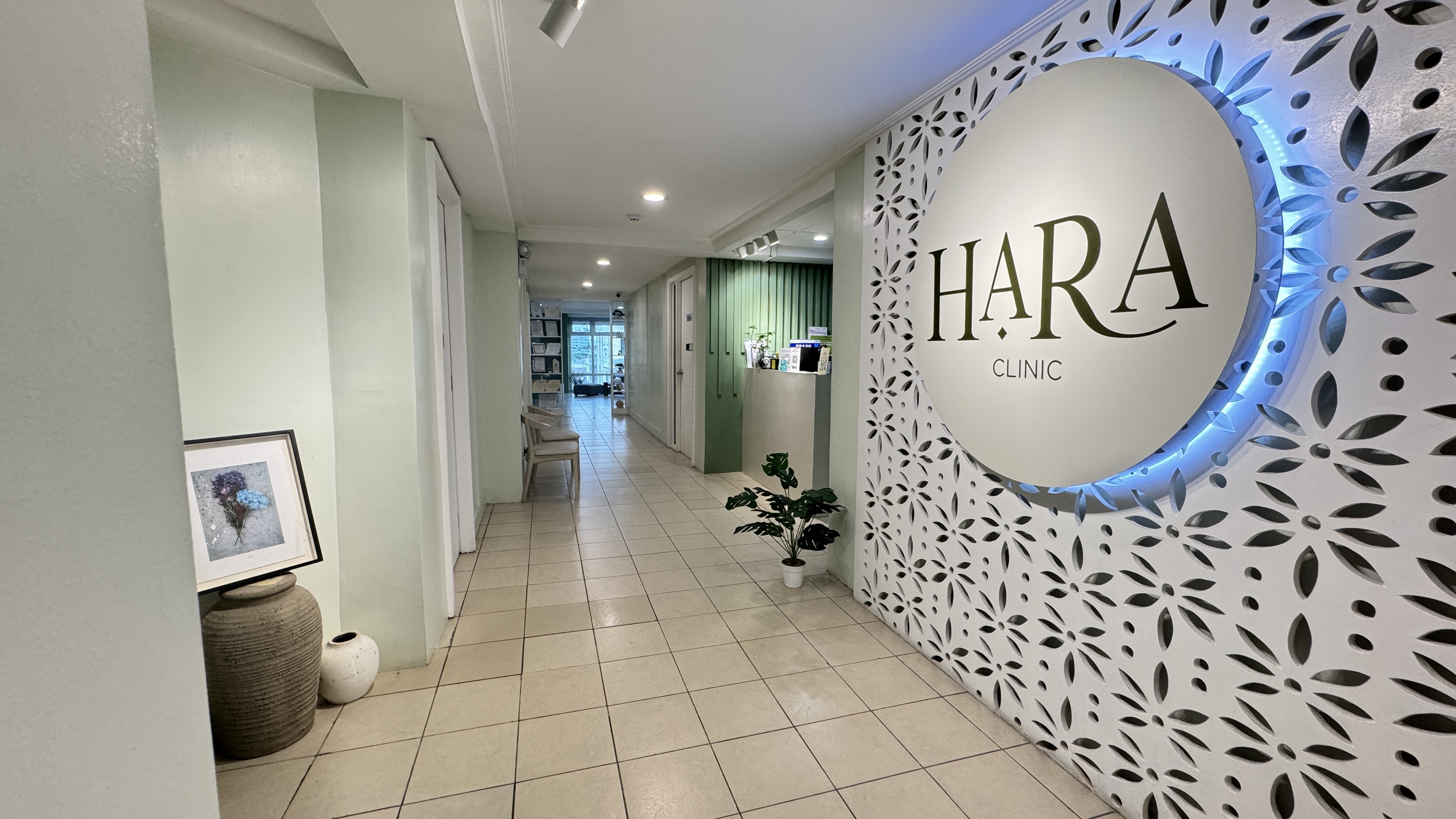
This piece is a no-nonsense walkthrough of the procedure: what it is, its level of safety, how to prepare for it, and when you can bottom again after the shot. It's written for people who are seriously considering booking, for people who've bottomed painfully before and haven't gone back, and for the curious who want to know how this fits into Hara Clinic’s goals of sexual wellness for every person.
What Holetox Is and Why Bottoms Are Trying It
At its most stripped-down, the procedure is a series of tiny injections of botulinum toxin, the same active ingredient in cosmetic Botox, placed directly into the muscle that surrounds the anus. That muscle, the internal anal sphincter, is what keeps you continent when you're upright, and it's also what tightens up reflexively when it senses something coming in that it wasn't expecting.
Botox interrupts the nerve signal that tells that muscle to contract, so instead of clenching against penetration, the sphincter stays relaxed. Less clenching means less pain, and less pain means you are no longer just tolerating and gritting your teeth through sex, but now enjoying it. A good outside primer on the procedure is available for anyone who wants a second explainer before making the call.
The mechanism itself isn't new; the same drug has been used therapeutically in colorectal medicine for years to treat chronic anal fissures, where sphincter spasm keeps a tear from healing. What's newer is that the same principle is being applied electively, for bottoms who don't have a clinical fissure but do have the everyday tightness that makes receptive sex feel like negotiation instead of pleasure. Aesthetic providers abroad have written about the procedural mechanism in some detail, and the growing popularity of the treatment in the bottoming community has been well-documented as more clinics offer it.
It's worth being clear about what the treatment isn't, because expectations shape experience. It does NOT numb the area. You will still feel pleasure, pressure, and warmth—just without the reflexive flexing or guarding. It does not change how the anus looks or feels externally. It doesn't shrink anything, tighten anything decoratively, or leave any visible mark. And it does not replace the basics of good bottoming: proper prep, generous lube, a partner who listens, and communication about pace. A relaxed sphincter without any of those still won't feel great. All of them together, plus a relaxed sphincter, is where the treatment actually earns its reputation.
Among bottoms, the appeal has been consistent across the anecdotes: penetration is easier from the first inch, the anticipatory anxiety that many people carry into receptive sex fades within days of the injection settling in, and first-time bottomers or people returning after a long break describe a smoother reintroduction than they'd expected. It's not that pain disappears. It's that the specific pain that comes from a sphincter refusing to cooperate stops being the main event.
The effects are temporary. Most patients experience the full result for roughly three to four months before the muscle gradually regains its normal tone. That timeline matters for planning: if there's a specific reason you want to bottom comfortably—a new relationship, a well-endowed (daks) partner, a trip you've been looking forward to, or simply a season of exploration—it's worth scheduling the appointment with the window in mind. Some people book a maintenance session at the tail end of that window; others try it once, learn something about their own body, and don't come back. Both are reasonable outcomes, and neither should be pressured by the person doing the injecting.
At Hara Clinic, holetox isn't offered as a standalone menu item pulled from a generic med-spa. It sits inside a broader practice built around gay, bisexual, and trans sexual health, which means the pre-procedure conversation includes questions about testing, prep habits, and what you actually want out of your sex life.
Is Holetox Safe for Bottoms? What to Know Before Booking
This is one of the most common questions readers arrive with, and the honest reply: yes! When the procedure is administered by a clinician who actually knows the anatomy, the drug, and the population they're treating. Botox has a long safety record in medical use, and the doses required for the anal sphincter are much smaller than what's used in, say, cosmetic forehead injections. That said, this is not a kitchen-table procedure. It's not something a general injector at a wellness clinic should be doing on the side, and it's not something to book from someone whose experience is mostly with faces.
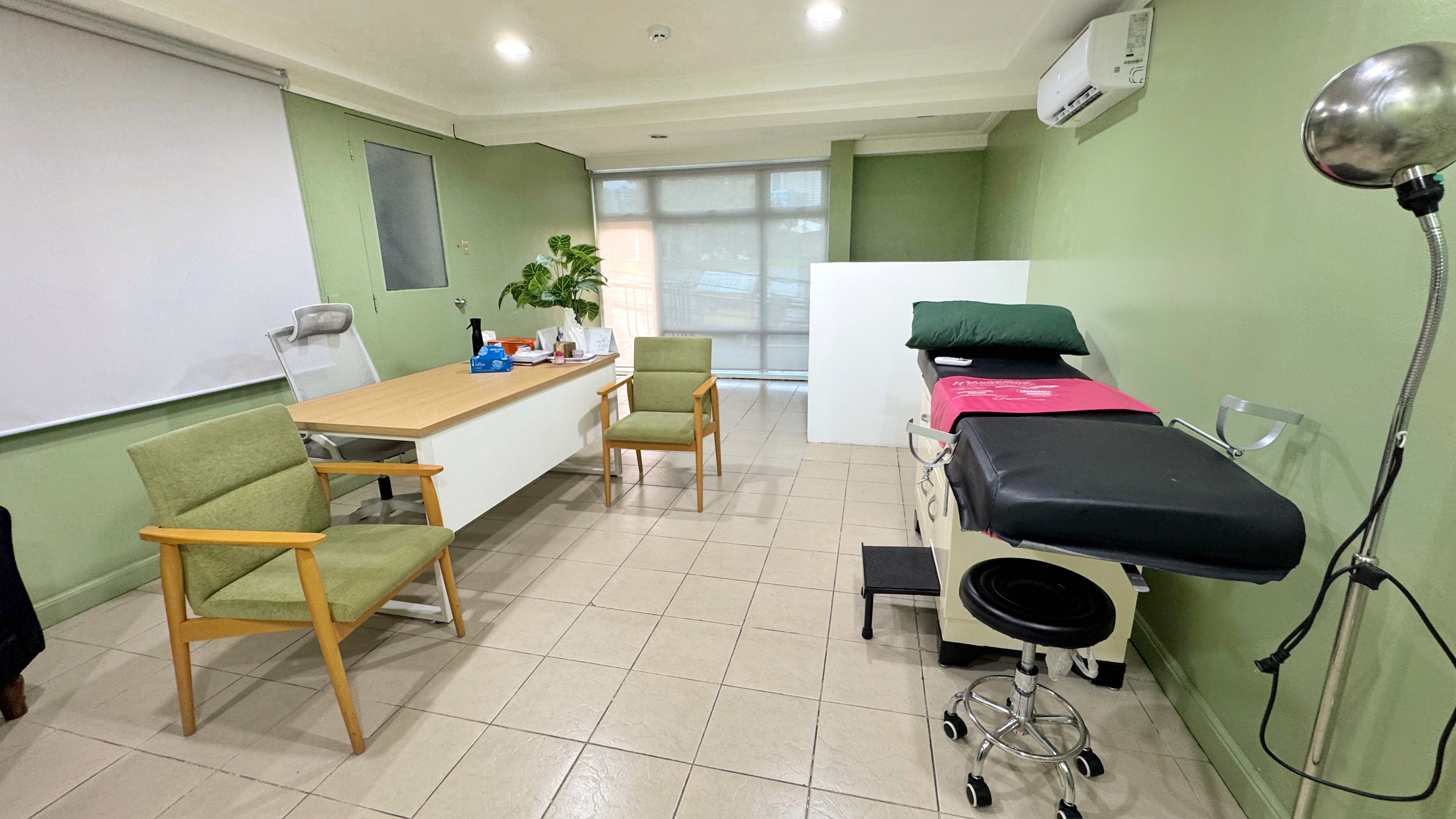
At Hara Clinic, the procedure can be handled by Dr. Dean Reyes, Dr. Jhovan Pascual, or Dr. Rjay Agbon, who all specialize in LGBTQ+ sexual health—the kind of provider background that matters when the treatment is elective, intimate, and asks patients to be honest about their sex life. Before the appointment happens at all, any pre-existing anal condition needs to be addressed. Active fissures, untreated warts, or infections change the calculus, and Hara's anal and genital warts removal service exists exactly so those conditions can be cleared first rather than injected around.

Who's a Good Candidate
The best candidates are people whose bottoming experience is being defined by tightness or reflexive muscle guarding; specifically, people whole experience pain during penetration that doesn't resolve with more lube, more foreplay, or more time. That includes bottoms who've never really enjoyed receptive sex because their body keeps clenching against it, people returning to bottoming after a long break and finding themselves newly tight, and newer bottoms who'd rather not spend months on solo dilation training as their only tool.
The other side of the candidate profile is clinical: no active anal infections, no untreated fissures or anorectal conditions, and no unresolved STI concerns. The procedure works best on a healthy baseline, and the pre-appointment consultation is the moment to sort out anything that isn't there yet. Beyond the clinical checklist, the good candidates are also the ones who show up ready to talk plainly about what their sex life actually looks like—what they've tried, what hasn't worked, and what they're hoping will change.
Possible Side Effects
Every injection carries side effects. For this one, they're generally mild and short-lived. Most patients notice some soreness or light bruising at the injection sites for a few days afterward, similar to what you'd expect from any small-gauge injection.
A smaller number experience temporary changes in continence—usually described as a bit of unexpected gas or occasional leakage—which typically resolves as the Botox settles or wears off. Flu-like symptoms shortly after the appointment are rare but possible, and worth mentioning to your provider if they show up so they can rule out anything unrelated.
None of this should be catastrophized. The point of naming these openly is not to scare, but to make sure nobody arrives expecting zero downside, then panics at day two when the injection site feels tender.
When to Hold Off
Certain situations mean the procedure should wait. Active anal fissures, hemorrhoids in a flare, or untreated STIs all need to be handled first. Injecting into a compromised area doesn't just feel worse, it can complicate healing. If you haven't been screened for STIs recently, Hara's STI testing and treatment services are the place to start; a clear panel makes the pre-procedure conversation much simpler.
Pregnancy and certain neuromuscular conditions are also disqualifiers, at least for the standard version of the procedure. And there's a softer disqualifier worth naming: if you haven't yet had an honest, unrushed consultation with a qualified clinician, the appointment for the injection itself is not the moment to catch up. Book the consultation first. Get your questions answered without the pressure of a needle in the room.
How to Prepare for Holetox Treatment
The process isn't complicated, but the prep genuinely matters for both comfort during the appointment and the quality of the outcome. Set your expectations low on the drama and high on the basics: no fasting, no elaborate cleansing regimen, no last-minute overhaul. The prep is mostly about walking in with a healthy baseline and a clear picture of what you want the treatment to do for you.
Before Your Holetox Appointment
Get current on STI testing before you book. Any recent panel that's within your provider's timing window will do—Hara's STI testing and treatment services are the fastest route if you're overdue, and pre-procedure screening protects both you and the clinician who's about to inject you in a sensitive area.
Avoid receptive sex for a few days before your appointment. The area should be calm, not freshly irritated, when the injections happen. Keep bowel habits regular in the lead-up — steady fiber, plenty of water, no last-minute laxatives or aggressive douching, which can inflame the tissue you're trying to keep quiet.
At the consult, be honest about medications. Blood thinners are the main flag because they can worsen bruising at the injection sites, but supplements like high-dose fish oil or ginkgo can have a similar effect. Also mention any history of any and all anal or even gastrointestinal conditions (past fissures, a wart you had removed a while ago, chronic constipation, and other past rectal conditions) since that history shapes how the provider approaches the injection.
During the Procedure
The appointment itself is short. Most sessions run under fifteen minutes from the moment you're positioned. You'll be draped and placed in a comfortable position for the injections, topical numbing is usually applied to the perianal area first, and then a small series of four to six injections are placed around the sphincter.
Patients most often describe the sensation as a series of quick pinches, not the drawn-out ordeal that first-timers tend to imagine going in. There's no general anesthesia and no sedation required. Once the injections are done, you can put your clothes back on, walk out, and get on with your day. Most people head straight to work, dinner, or wherever they were headed after the appointment.

How Long After Holetox Can You Bottom
Here's the answer readers arrive for: this depends on the person, but most providers advise waiting roughly seven to fourteen days before attempting penetration. That window gives the Botox time to fully settle into the muscle and gives the injection sites time to recover from the small trauma of the needle.
Full effect usually peaks around the two-week mark. Trying to bottom before then isn't dangerous, but it's often disappointing — the muscle hasn't fully relaxed yet, and you may not feel a difference from before the appointment. During the waiting window, gentle solo dilation with a small toy or plug can help your body get familiar with the newly relaxed sphincter feel, so partnered sex isn't the first time you're testing the effect.
Listen to your body during recovery. Soreness that lingers, any bleeding, or unusual discomfort means slow down and check in with your provider — not push through hoping it resolves on its own.
Bottoming Safely Afterward
A more relaxed sphincter doesn't make you any safer from STIs. If anything, easier penetration often translates to more frequent sex, which means prevention becomes more important, not less. If you're not already on PrEP or don't have a PEP plan in mind, that's a conversation worth having in the same visit—HIV prevention is foundational to bottoming safely, full stop.
Doxy-PEP is worth asking about too, especially if bacterial STIs have shown up in your history or your partners' histories. Beyond that, the basics still apply: use lube generously, communicate with your partners about pace and preferences, and keep routine STI screening on your calendar rather than treating it as an emergency response.
Conclusion
Holetox is one of the more accessible clinical tools available right now for bottoms who want sex to feel less like a negotiation with their own body and more like something they actually get to enjoy. The procedure isn't a cure-all, and it isn't a shortcut. It's a small, targeted piece of a much bigger picture, one where testing, prevention, prep habits, and honest communication with partners are still doing most of the work. The treatment simply removes one of the biggest physical obstacles that keeps people from showing up fully in that picture.
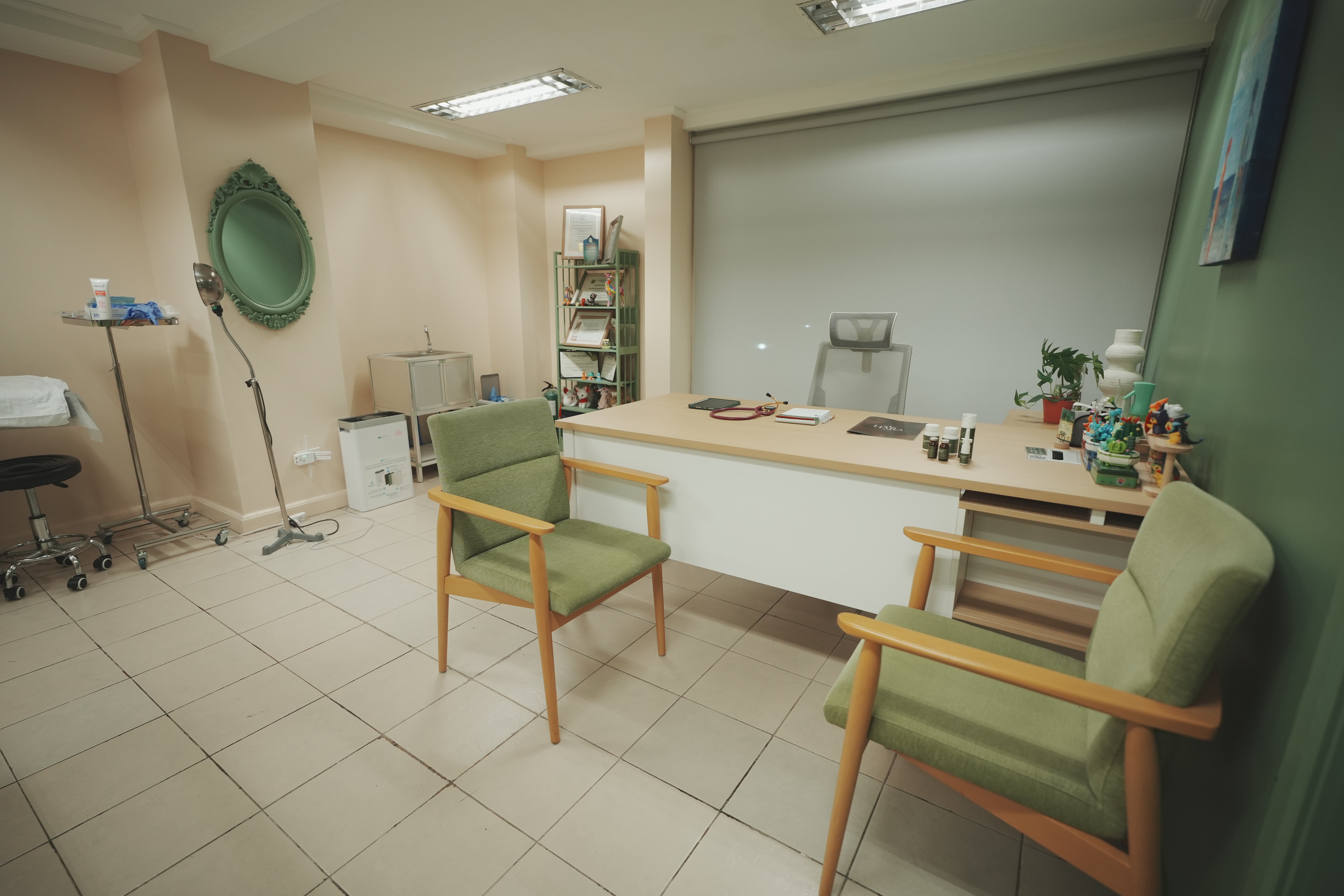
Whether to book is a personal decision, and one worth having a real conversation about — with a partner if that fits, and always with a clinician who understands the specific realities of MSM sexual life rather than treating this as another cosmetic procedure to upsell. If that's the kind of conversation you're ready for, Hara Clinic is built for it. Take a look at what care looks like at Hara: judgment-free and grounded in the belief that your sex life is worth taking seriously, not just fixing when it hurts.